

With the relentless tide of competition and the complex challenges posed by an ever-evolving marketplace, these statements are becoming all too common. To thrive and innovate, organizations must not just navigate these challenges but harness them into a catalyst for innovation. This emphasizes the essence of cultivating the skill of thinking differently, generating novel ideas, and fostering creativity.
Contrary to popular belief, innovative thinking is not just a divine spark that appears out of the blue. Nor is it confined to the "creative geniuses" among us. Creativity is an innate human ability that can be nurtured and refined. So, if you ever catch yourself thinking, "I am not intelligent enough to come up with good ideas," remember that this is merely a self-imposed limitation.
Shattering the Conventional: Techniques to Usher in New Ideas

Traditional idea generation often revolves around the remixing or adapting of existing concepts. While these methods have their merits, we're aiming for a more revolutionary approach — techniques that propel your mind into entirely new territories.
However, a word to the wise: while these strategies are potent, they demand a deep understanding of the subject matter at hand. After all, an artist can't paint a masterpiece without first mastering his brushstrokes.
Breaking Thought Patterns
The human mind, in its pursuit of efficiency, often gravitates towards patterns and routines. It categorizes experiences, streamlines responses, and seeks familiarity, creating a mental model that aids swift decision-making. But while these mental shortcuts—often referred to as heuristics—facilitate day-to-day functioning, they can inadvertently become barriers to novel thinking and innovation.
Staying confined within these self-imposed cognitive walls limits our ability to perceive things differently or explore uncharted territories of thought. Let's delve into strategies to challenge and overcome these cognitive barriers:
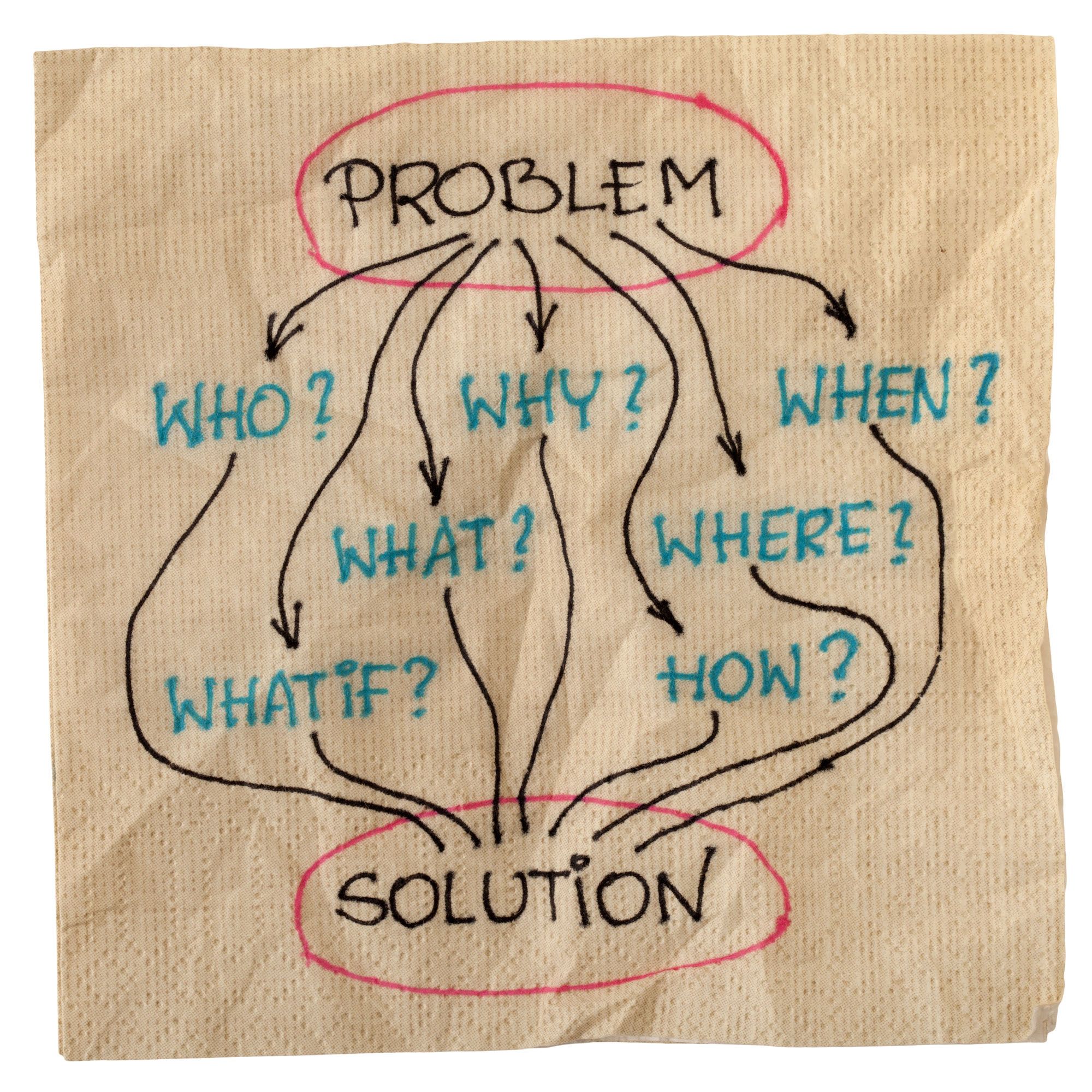
Question Assumptions
Rationale: Assumptions act as silent gatekeepers, subtly influencing our decisions and judgments. They are often inherited beliefs or accepted norms that may or may not hold relevance in the current scenario. By challenging them, we open up avenues of thinking that were previously barricaded.
Implementation: Start by listing out the assumptions tied to a problem or decision. For each assumption, ask:
- Why do I believe this to be true?
- What if the opposite were true?
- Are there real-world examples that contradict this assumption?
Benefits: Breaking down assumptions:

This content is only available to subscribers
Subscribe now and have access to all our stories, enjoy exclusive content and stay up to date with constant updates.
Unlock contentAlready have an account? Sign In