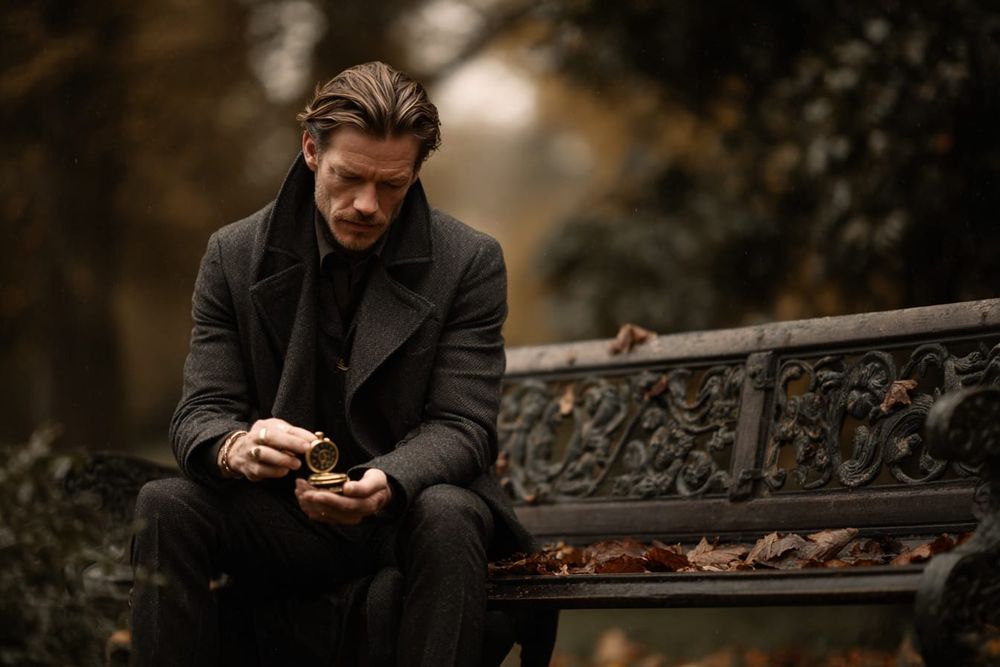

There is an old man at the counter of a corner shop, buying lottery tickets. He is in his seventies, perhaps older, and he is not buying them ironically or out of habit. He is buying them with genuine hope. You can see it in the way he checks the numbers, in the small ceremony of folding the ticket into his wallet next to a photograph that has been there for decades. He believes, in some quiet corner of himself, that he might win.
The instinct is to feel sorry for him. The instinct is wrong. He is not a figure of pity.
The lottery is the most honest market in the world. Everyone pays the same price for the same ticket. The odds are identical, the prize is identical, the rules are identical. No one gets preferential treatment, no one gets a discount, no one gets a head start. In every other market, the rich have an edge. In this one, the twenty-year-old and the seventy-year-old stand at the same counter and pay the same dollar.
But the prize is not the same prize.

A million dollars at twenty-five is a launch pad. It is a deposit on a flat in a city that matters, the runway for a business, the years of unhurried work that build into a fortune. It is the leverage to make every subsequent decade richer. A million dollars at seventy-five is a comfortable chair. It is a better car, a better holiday, a quieter end. The number on the cheque is identical. What that number can purchase, in terms of a life still ahead, has collapsed.
This is the discount rate of a life, and no bank quotes it. The currency of being alive is not money. It is the years you have left to deploy money in. A year at thirty is not a year at sixty, not because one is more valuable in some abstract moral sense, but because the mechanisms a man uses to convert resources into experience (energy, mobility, ambition, appetite, social access) do not run at constant power. They run on a depreciating engine, and the engine slows.
The old man at the counter is paying full price for a depreciating asset. He does not know this, or he does and buys the ticket anyway, which may be the more honest version. Either way, the trade is poor. He is purchasing the prize at the rate of a man who has fifty years to spend it, when he has perhaps fifteen, and most of those will be quieter than the ones behind him.

This content is only available to subscribers
Subscribe now and have access to all our stories, enjoy exclusive content and stay up to date with constant updates.
Unlock contentAlready have an account? Sign In