
The Buddha sat under a tree for 49 days and came back with bad news: life is suffering. Birth is suffering. Illness is suffering. Death is suffering. Getting what you want is suffering. Not getting what you want is suffering. Even the pleasant things contain suffering because they end.
This wasn't pessimism. It was diagnosis. The prescription that followed was more interesting: you could end suffering by changing your relationship to it. Not by eliminating pain, but by ceasing to resist it.
Two and a half millennia later, we've somehow forgotten the second part whilst obsessing over the first. Suffering is treated like a disease to be cured rather than a condition to be navigated. Entire industries promise that if you optimise hard enough, meditate correctly, achieve the right goals, life will stop hurting.
But the Buddha never said life would stop hurting. He said you could stop making it worse.
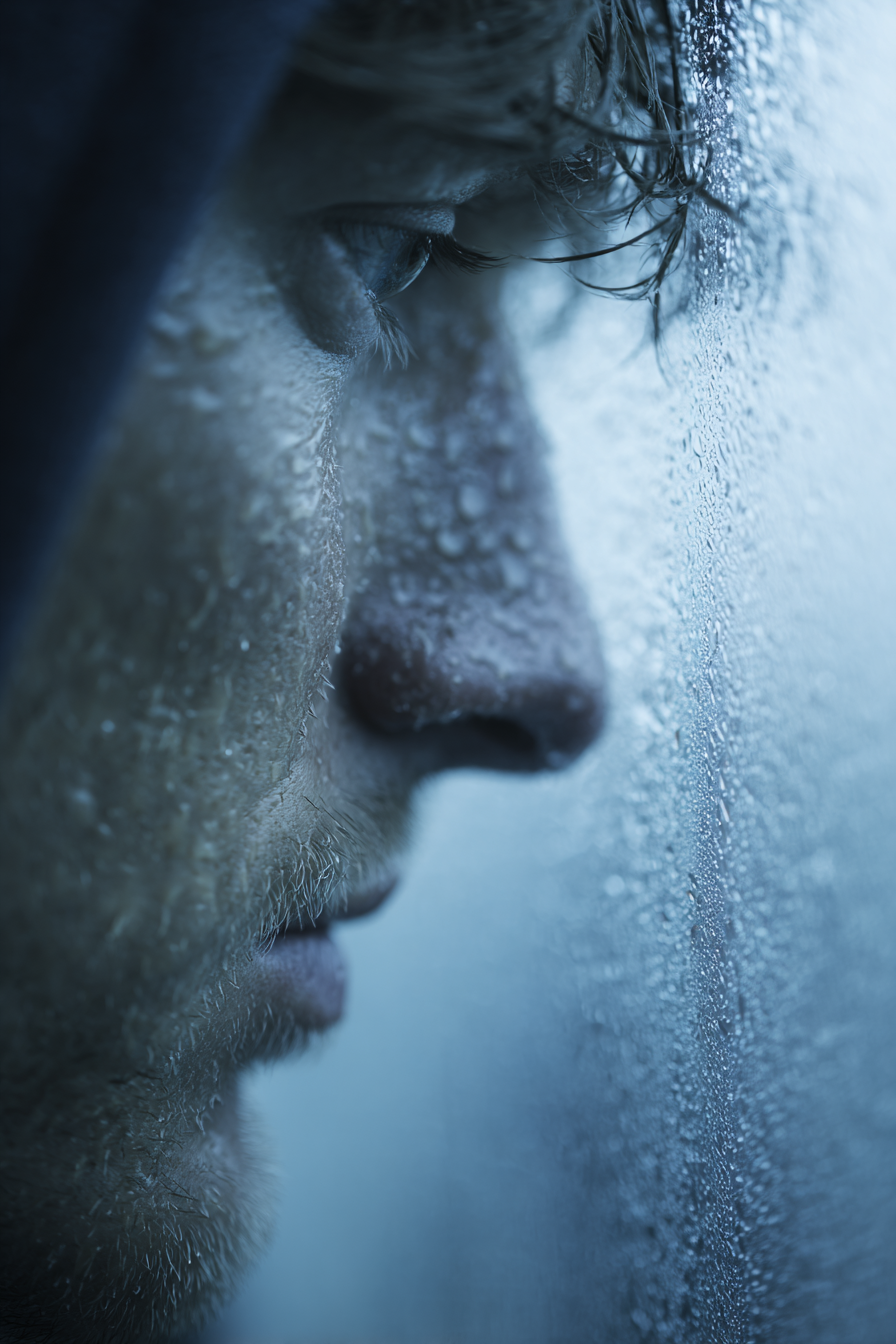
Pain vs. Suffering
There's a distinction worth preserving between pain and suffering, though we use the words interchangeably. Pain is the stubbed toe, the rejection letter, the friend who died, the career that stalled. Pain is what happens. Suffering is what you do with it afterwards.
When you stub your toe, the nerves fire. That's pain, and it lasts about sixty seconds. Then your mind takes over. You replay the moment. You curse yourself for being clumsy. You imagine how much better your day would have been if only you'd watched where you were going. You project forward to all the other times you'll be careless and stupid.
The toe stops hurting. The suffering goes on.
The Stoics understood this with surgical precision. Epictetus, who spent years as a slave before becoming a philosopher, wrote that we're disturbed not by things but by our judgments about things. A job loss is a fact. The narrative you build around it (the identity crisis, the shame, the catastrophizing) is software you're running on top of hardware that doesn't require it.
Viktor Frankl made a similar observation from Auschwitz. Between stimulus and response, there is a space. In that space lies our power to choose our response.
The concentration camp was suffering on an unimaginable scale, but within it, some prisoners maintained their humanity whilst others collapsed. The external conditions were identical. The difference was in how each man oriented himself towards the unavoidable.

This content is only available to subscribers
Subscribe now and have access to all our stories, enjoy exclusive content and stay up to date with constant updates.
Unlock contentAlready have an account? Sign In