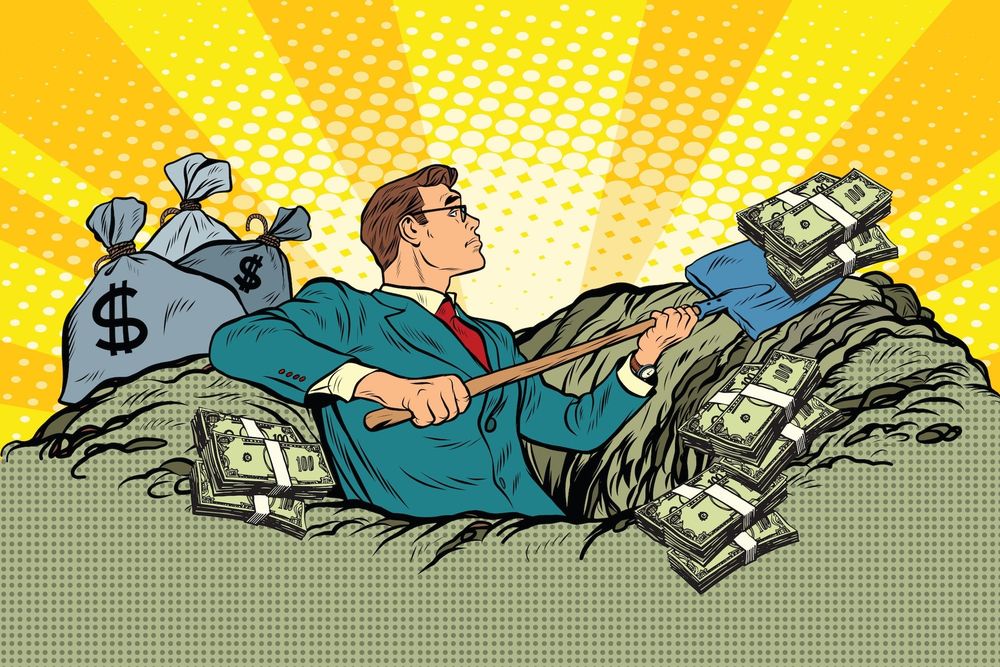

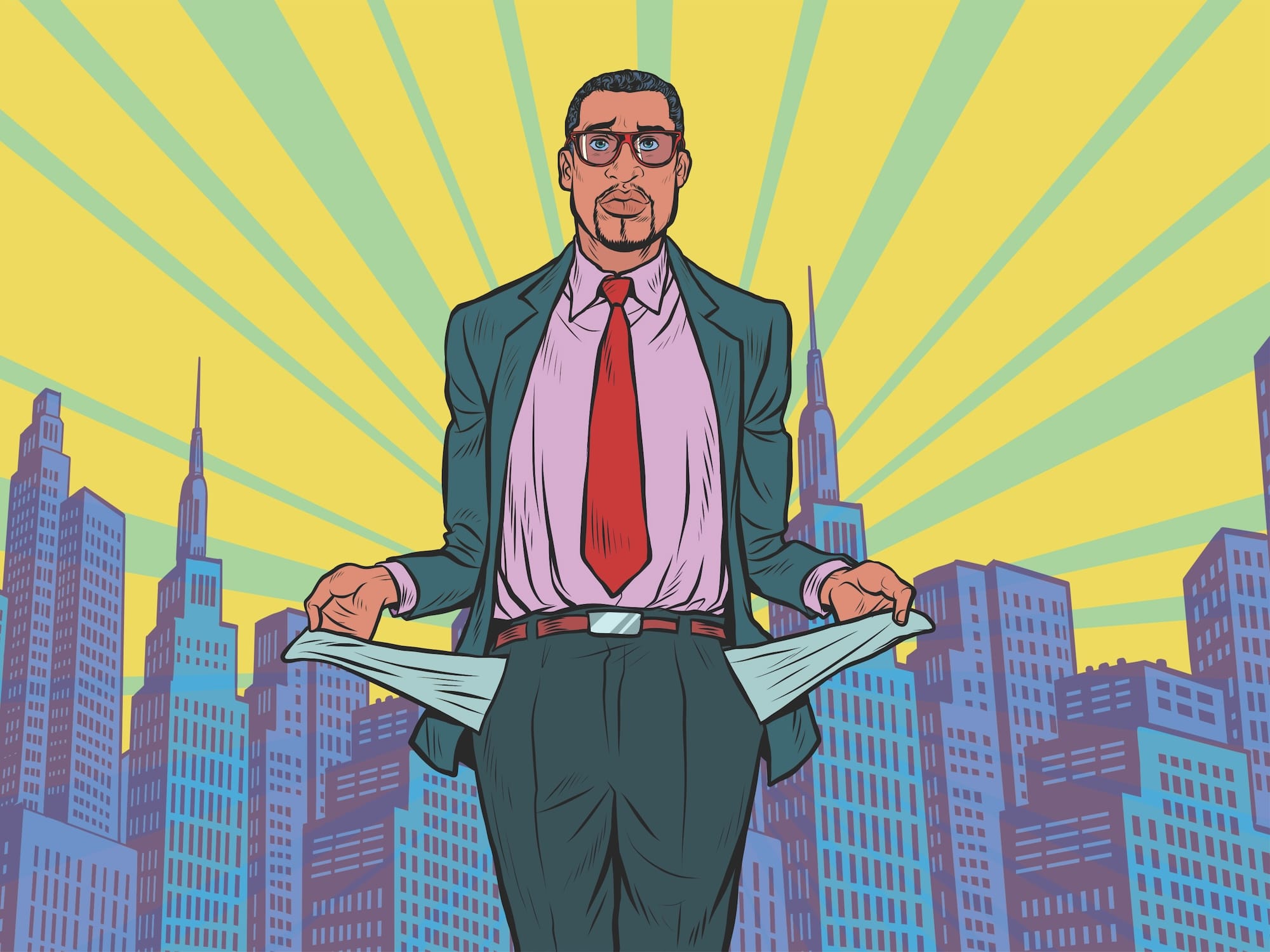
For a few years, I went through tough financial times. I was getting further and further into debt, not paying some of my bills (which then went to collectors) and always behind, even on payday. It took me awhile to step back and realize that this situation was all of my own making, due to my own choices and financial habits, and that it was possible to change.
Today, things have gotten better, although I’m not out of the red yet. I have begun saving, I’ve paid off several small debts and am well on my way to paying off my credit card (which I’ve canceled), and hope to pay off my car by the end of the year. I plan to be debt free in a little over a year, with good prospects after that. I’m also planning for retirement, a little travel, and a simple house. My finances are much better off today than they were just a year and a half ago.
First things first
Cameron Huddleston, in the article “Stop Living From Paycheck to Paycheck,” recommends starting by tracking all of your spending on a daily basis, which is a typical recommendation from financial advisors and blogs, and is good advice. But mine is attempting to be practical — I’ve been there, in the trenches, and I know that keeping track of daily spending can be difficult. I advise you to do it, but if you don’t, for whatever reason, don’t let that stop you from fixing your finances.
My recommendation is that, whether or not you track your spending (and you should), at least do the following:

This content is only available to subscribers
Subscribe now and have access to all our stories, enjoy exclusive content and stay up to date with constant updates.
Unlock contentAlready have an account? Sign In