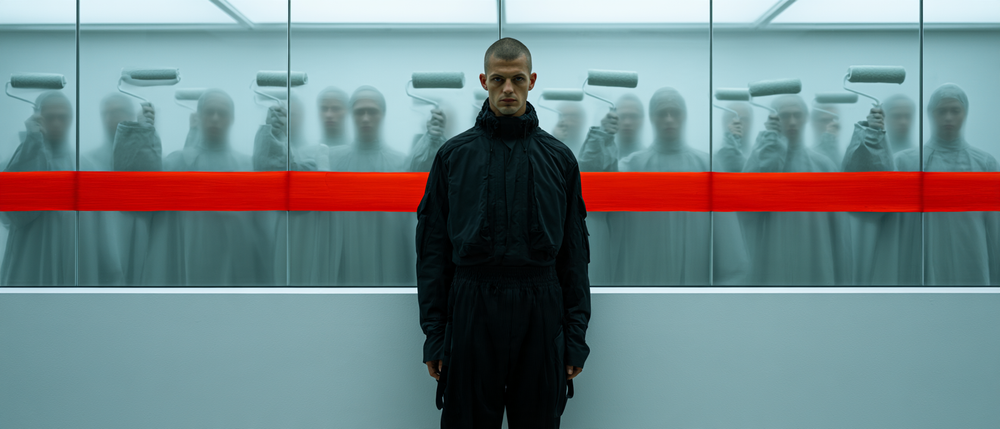

The idea arrives as one thing. It can be held in a single thought, described in a sentence, and turned over on a walk at what feels like no cost. Most are carried privately for years, taken out occasionally, examined, put back. The workshop at the bottom of the garden. The business that would work if somebody ran it properly. The book, which has had a title since 2019 and nothing underneath it.
Two separate judgements could be made about any of them, and only one ever is. Whether the idea is any good takes a moment, costs nothing, and can be settled over dinner with a friend who says it sounds excellent. Whether it is yours to build is a different operation, requiring an itemised list of what the thing demands, an honest reading of which parts are absent, and a price against each gap. That priced list is the bill.
The sentence is what gets assessed. The bill is what gets signed.

What the Idea Actually Contains
Every idea of consequence resolves, on inspection, into a set of components, most of which were nowhere in the original thought.
Skills come first, and they are the part everybody does assess, though only in the glamorous half. The interesting capabilities are weighed with great care while the dull recurring one goes unexamined: the invoicing, the third follow-up call, the reconciliation at the end of the month. That is the one that decides the outcome.
Then the actions, arriving in fragments, several hundred of them, almost none resembling the thing that generated them. An idea is a single object. The work is a long series of small unrelated tasks, a permissions problem, a supplier who does not reply, four hours on something nobody will ever notice.
This content is only available to subscribers
Subscribe now and have access to all our stories, enjoy exclusive content and stay up to date with constant updates.
Unlock contentAlready have an account? Sign In