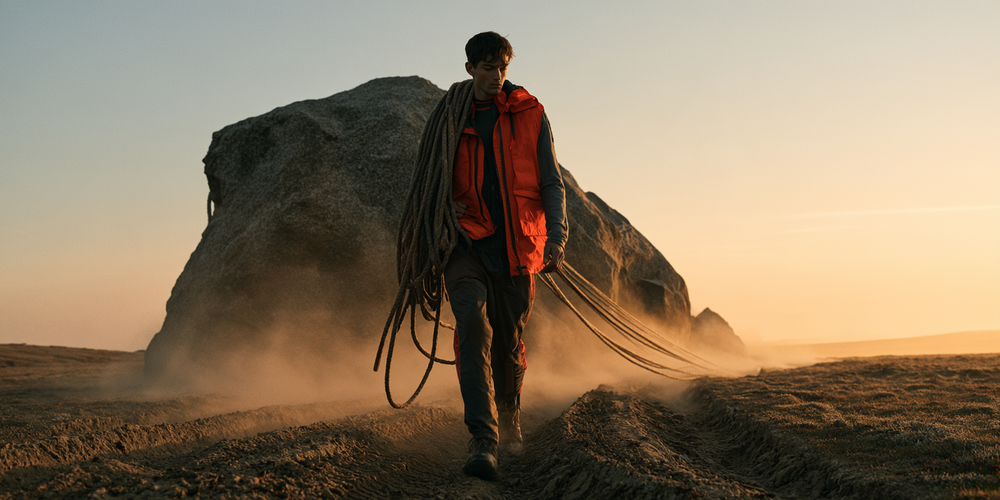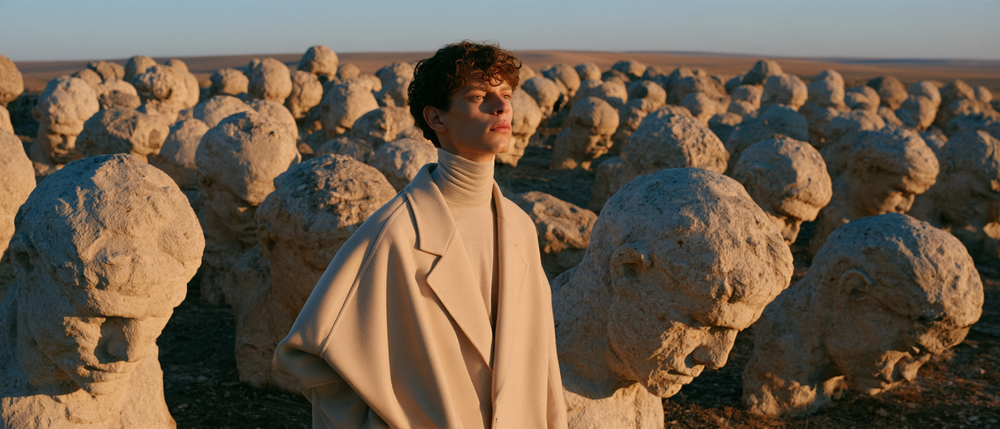

In aviation, when a pilot cannot land (weather too thick, runway occupied, emergency on the ground) he enters a holding pattern. He flies a racetrack-shaped circuit at a designated altitude, burning fuel at a controlled rate, monitoring instruments, waiting for conditions to change. He is not retreating. He is not advancing. He is sustaining flight until descent becomes survivable.
The pilot in a hold is not doing nothing. He is actively maintaining altitude, resisting the urge to descend into weather that would kill him, buying time with attention. The hold is not passivity. It is controlled waiting.
There is a version of this for every life in crisis.

The Urge to Descend
When things fall apart (a career collapses, a relationship fractures, a plan disintegrates) the instinct is to do something. Anything. The discomfort of uncertainty is so acute that even a bad decision can feel like relief. At least you moved. At least you acted. At least you are not just sitting there, circling.
But this instinct is wrong more often than it is right. The fog is real, and descending into it does not make it lift. The pilot who drops altitude because he cannot stand the waiting is the pilot who flies into terrain.
A founder has a bad board meeting and fires off a resignation letter before morning. An employee endures three difficult weeks and accepts a counteroffer from a company he knows is worse, simply to escape the current discomfort. A man, mid-argument, says the thing that cannot be unsaid. Each has descended into the fog. Each has converted uncertainty into wreckage.
The holding pattern is the refusal to make these mistakes. It is the recognition that sometimes the most powerful move is to keep flying level until the weather clears.

This content is only available to subscribers
Subscribe now and have access to all our stories, enjoy exclusive content and stay up to date with constant updates.
Unlock contentAlready have an account? Sign In