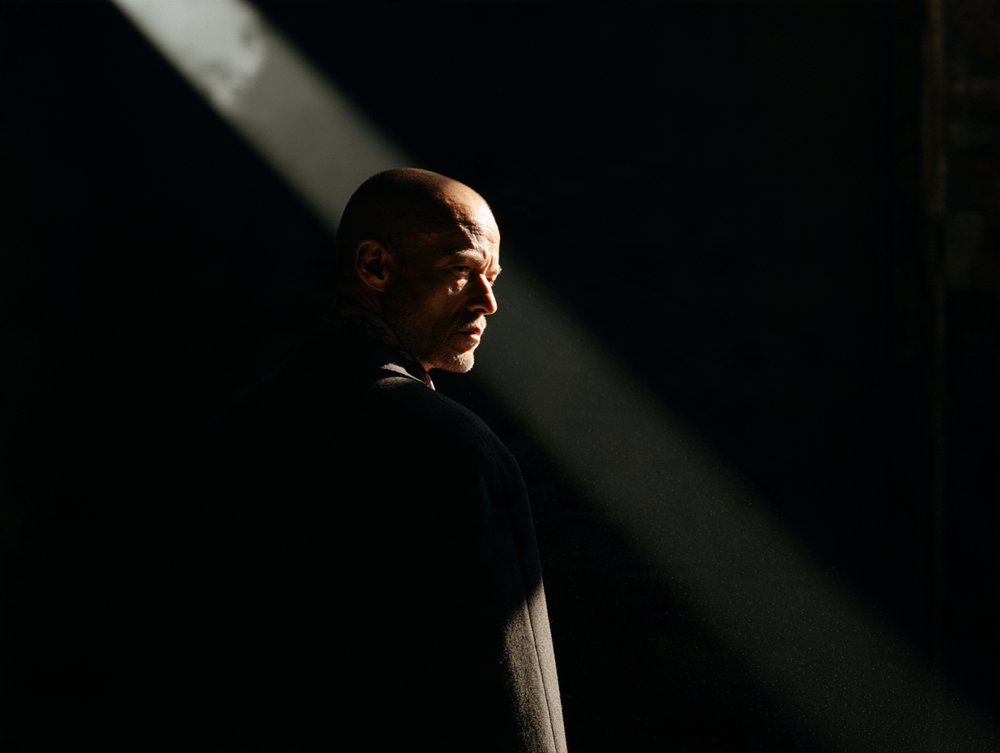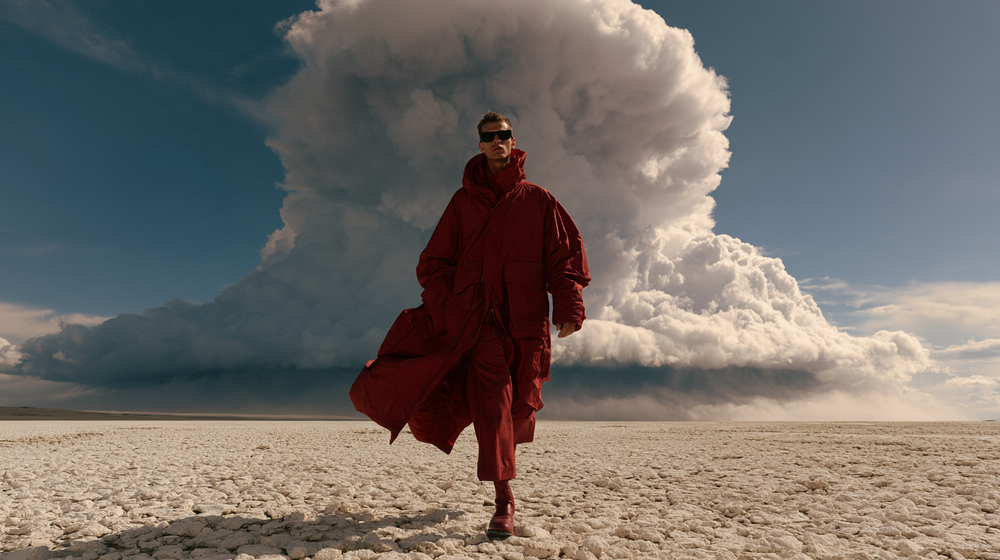

It usually arrives late at night.
The phone call from the hospital. The meeting where your name is on the list. The smell of smoke at three in the morning. The stranger in the parking lot who will not back off.
The mind plays the opening scene. Then it plays it again.
And again.
It never gets past the first thirty seconds. It finds the worst frame, freezes there, and loops.
That is what worry is. A rehearsal with no ending.
Airline pilots work differently. Every year they sit in a simulator and lose an engine on take-off. Then the hydraulics. Then the instruments go dark. They are making sure that if it ever happens for real, their hands already know the next move.
Nobody calls that pessimism. It is the reason you are willing to board the plane.
That is how professionals prepare for the worst-case scenario. They practise it until it is familiar.
Your own fears deserve the same treatment.
So which of yours have you ever played through to the end?
The panic lives in the scenes nobody rehearsed.

WORRY NEVER FINISHES THE STORY
Fear feeds on vagueness.
"What if I lose my income?" is a fog. It has no shape, so it has no edges, so it fills every hour you give it.
Rehearsal forces the rest of the scene.
What if I lose my income? Then there is a meeting. Then there is a letter, and a severance figure to check against the contract. Then there is the number of months the savings cover. Then there are the six people to call first.
Run it to the end and something strange happens.
The fear shrinks to the size of a plan.

Rehearsal is the simplest way to mentally prepare for emergencies, and for the slower disasters too.
Some bad things stay bad however well prepared you are. The panic is different. The freezing, the wrong decision grabbed in a hurry, the hours lost to dread: almost all of it comes from the parts of the story you never played through.
The Stoics in Rome did this on purpose, in a practice now called negative visualisation. They sat down and imagined losing their money, their health and their standing, then worked out what they would do. Soldiers do it before every operation. Surgeons do it before every difficult case.
Everyone else meets the bad day for the first time when it arrives.
This content is only available to subscribers
Subscribe now and have access to all our stories, enjoy exclusive content and stay up to date with constant updates.
Unlock contentAlready have an account? Sign In