

You go to bed later than you meant to, because the evening was the only part of the day that felt like yours. You wake short of sleep, get through the morning on coffee, finish less than you planned, and the unfinished part follows you home and takes the evening, which runs late again. You have tried to fix it. The run of early nights gave out after five, and the resolution behind them barely outlasted it. Each time it gave out, you went looking for the cause, and each time there were several to choose from: the job, the coffee, the hour you finally put the day down, the plain fact of being older than you were.
All of them are the cause, which means none of them is. The problem has no starting point. It runs in a circle, and the usual way to break a vicious cycle, by tracing it back to where it began, asks a question that a circle cannot answer. There is a better one.
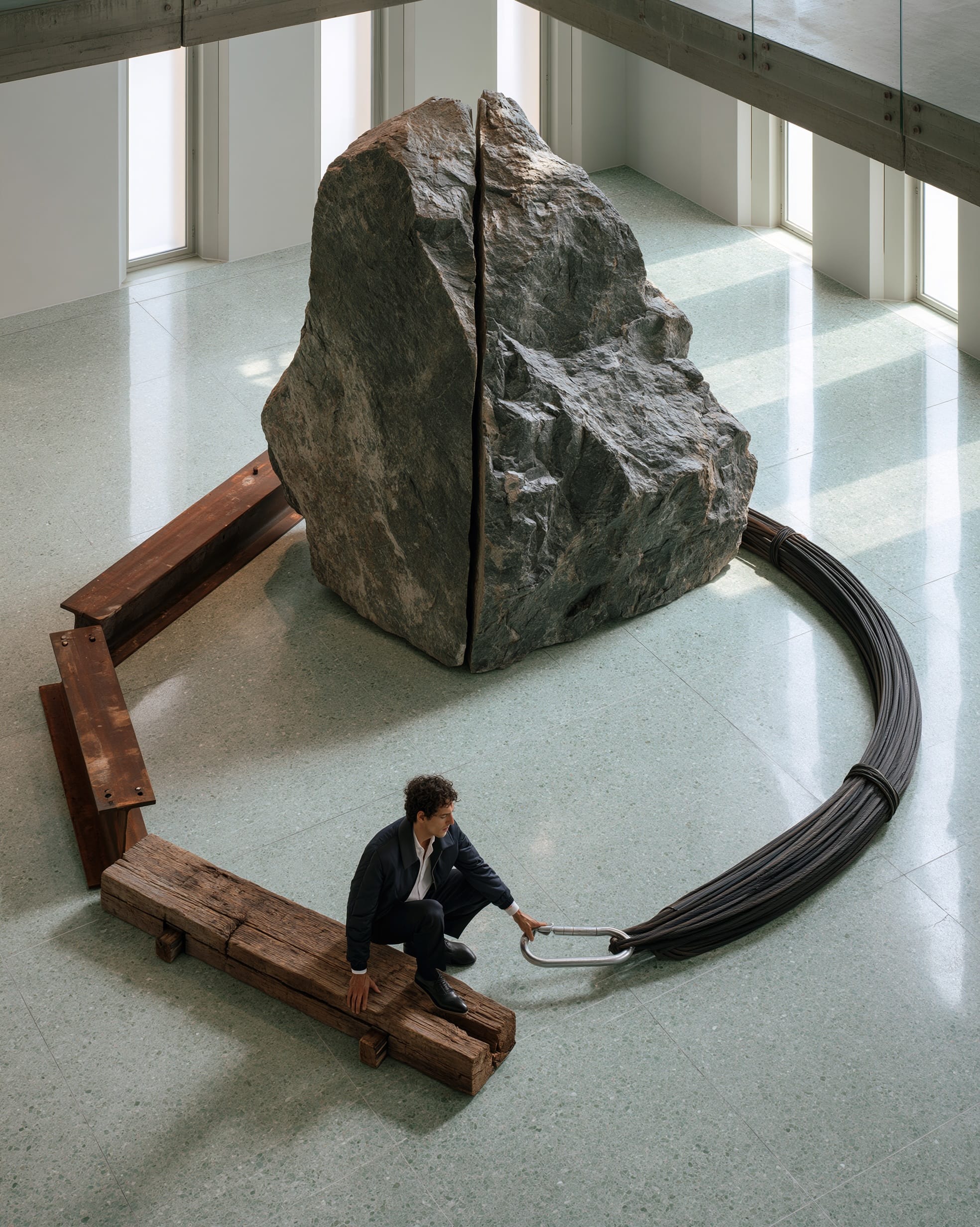
No First Link
Most problem-solving assumes a line. One thing causes another, the cause can be found, and once it is removed the trouble stops. Plenty of trouble works that way: the car that will not start, the tooth that aches, the noise in the wall that turns out to be a loose pipe.
The problems that last longest tend to work differently. Each link produces the next, and the last feeds back into the first. Money runs short, so decisions get made under strain, strained decisions tend to be short-sighted, and short-sighted decisions keep money short. Fitness slips, energy drops, the training that would restore it gets skipped, and fitness slips further. A dreaded task gets put off, the delay makes it larger, and the larger task is dreaded more.

Inside a circle the search for the root cause of your problems has no answer, and it settles on one anyway: whichever link was noticed first, or whichever offers the most comfortable story. Then a good deal of effort goes into deciding which came first. Each one did.

How a Circle Shows Itself
A problem shaped like a line tends to stay where it is when left alone. A circle tends to get worse, because every pass around it adds a little to each link.
Fixes behave differently too. The budget holds for a month. The new training plan survives into its third week. A push on one link of a circle works for a while and then fades, and the old pattern returns as though it had been waiting. The rest of the circle never stopped running, and it pulled the moved link back into place. This is how the same problems keep coming back, however many times they have been fixed.
Circles also outlive the changes that ought to have ended them. The pay rise arrives and the money worry continues. The difficult project finishes and the tiredness stays. When a problem survives the circumstance blamed for it, that circumstance was one link among several.
Ask on different days what the cause is, and the answer changes, each version convincing at the time. From wherever you happen to be standing, the nearest link looks like the start.
This content is only available to subscribers
Subscribe now and have access to all our stories, enjoy exclusive content and stay up to date with constant updates.
Unlock contentAlready have an account? Sign In