

Several years ago, Renato, one of my jiu-jitsu instructors, convinced me to get back into grappling in a kimono. “It will be hard at first,” he told me. “But after a few months, when you go back to fighting without the gi, your game will be better.”
A gi is a lightweight two-piece white garment worn in judo and other martial arts. A gi typically consists of loose-fitting pants and a jacket that is closed with a cloth belt.
He was right. During that first month of training, I felt like a white belt again. He was slapping arm bars, foot locks, and collar chokes at the rate of one per minute. It was downright depressing.
But I knew from experience that if I kept on practicing, I’d get better. And I did. Shortly thereafter, I increased my training from two to three times per week. Nowadays, I practice five or six days out of seven when I’m not traveling, which means I get in an average of 15 hours of practice per month, or about 15 sessions per month — 270 per year.
I have no great natural talent for submission wrestling, but at 62, I keep improving. I got my brown belt two years ago and my main instructor, Marcel, tells me that he’s going to give me a black belt this year.
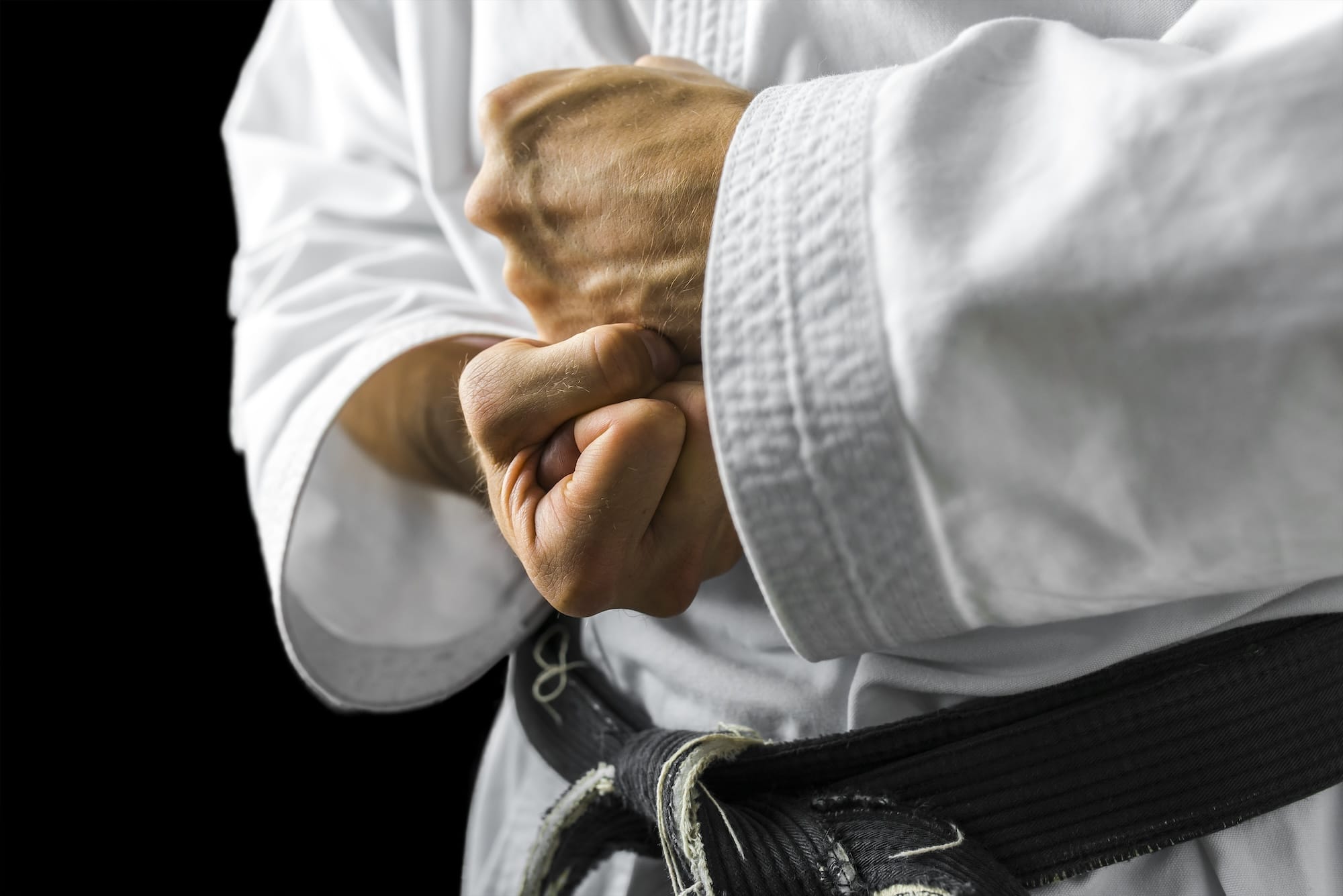
Incidentally, getting belts in Brazilian jiu-jitsu (BJJ) — at least, the way it has been done traditionally — is not like most martial arts in which belts are essentially sold (awarded to students who take x number of lessons and can perform some moves). To get a brown belt in BJJ, I had to win two national championships at the “expert” level. To get my black belt, I’ll have to perform well at a competition in Brazil.
Making yourself a better wrestler is no tougher than improving your foreign language skills. You must set specific goals, put in the time to practice and practice well. I believe that there is almost nothing you can’t accomplish as long as you are willing to follow those three simple rules.
Long before Malcolm Gladwell wrote Outliers, I made this case to my readers. I hypothesized that it takes about the same amount of time to improve in any complex skill: 1,000 hours to gain competence and 5,000 hours to gain mastery. I also said you could probably discount that time by as much as half if you practiced consciously under the instruction of a great teacher.
I’ve been thinking about this because of some of the letters I’ve received from Palm Beach Letter subscribers. I’m speaking about letters from people who complain they don’t have the capacity or the time to learn about some of the wealth-building programs we recommend. Most of our subscribers understand how to buy and sell stocks, but some have trouble understanding how to trade options or invest in real estate or collectibles.
Today, I’m addressing this essay to you, if you have had such doubts. I want to convince you that no matter your education, experience, or age, you can learn and even master every kind of wealth-building activity we recommend.
It will take effort. It will take time. But it can be done — and without stress or strain.

This content is only available to subscribers
Subscribe now and have access to all our stories, enjoy exclusive content and stay up to date with constant updates.
Unlock contentAlready have an account? Sign In