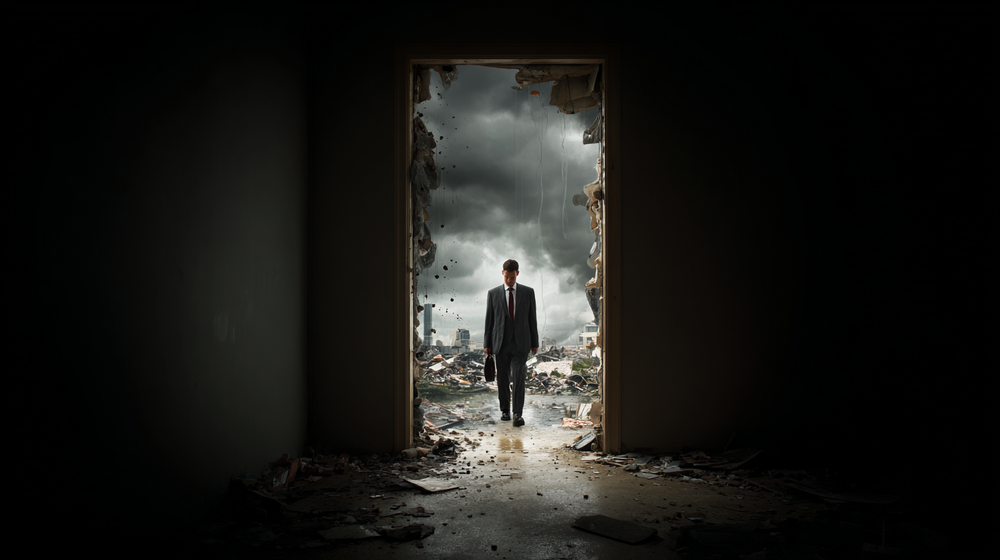

James sits in his car outside the grocery store for twenty minutes, unable to summon the energy to go inside. Two months after his divorce was finalised, he's read every book on resilience Amazon recommends. He's listened to podcasts about turning pain into purpose. He's bookmarked articles about finding opportunity in adversity. But the thought of walking through those automatic doors fills him with a low-grade dread he can't explain. The fluorescent lights feel too bright, other people's normalcy feels like mockery, and the whole enterprise of pretending to be a functional adult who needs groceries feels exhausting.
The content he's consumed promises dramatic transformation. Breakthrough moments. The phoenix rising from ashes. Resilience as a form of performance art, complete with inspiring speeches and triumphant comebacks. But real resilience looks nothing like this. It's not photogenic. It doesn't go viral. And it definitely doesn't help you navigate the cereal aisle when your brain feels like static.
Real resilience is profoundly boring. And that's exactly why it works.

The Resilience Industrial Complex
There's an entire economy built around dramatic recovery narratives. Self-help gurus selling transformation. Motivational speakers packaging trauma into inspiration. Corporate wellness programs promising breakthrough methodologies. The recovery market profits from the same delusion as the lottery: that ordinary people can achieve extraordinary results through the right mindset shift.
This creates a peculiar form of suffering. People in crisis consume content about resilience while their basic life infrastructure collapses. They sign up for therapy but stop cooking meals. They buy self-help books but abandon exercise routines. They download meditation apps but their sleep schedules disintegrate. The emotional labour of "working on yourself" becomes a sophisticated form of procrastination that prevents you from actually taking care of yourself.
The transformation business needs you to believe that recovery requires special knowledge, transformative insights, or breakthrough moments. Because if the solution is just maintaining basic human maintenance during difficult periods, there's nothing to sell. The truth is that most people already know what they need to do during crisis. Sleep regularly. Eat decent food. Move your body. Talk to friends occasionally. The knowledge isn't exotic. The execution is just brutally unglamorous.
James, for instance, has a decent support network and adequate resources to rebuild. His actual problem is manageable. But his complete abandonment of basic routines has created secondary problems that feel overwhelming: chronic fatigue from poor sleep, decision paralysis from irregular eating, social anxiety from weeks of isolation. The cure has become worse than the disease.

This content is only available to subscribers
Subscribe now and have access to all our stories, enjoy exclusive content and stay up to date with constant updates.
Unlock contentAlready have an account? Sign In